The Last of the Northern White Rhinos
The Last of Their Kind
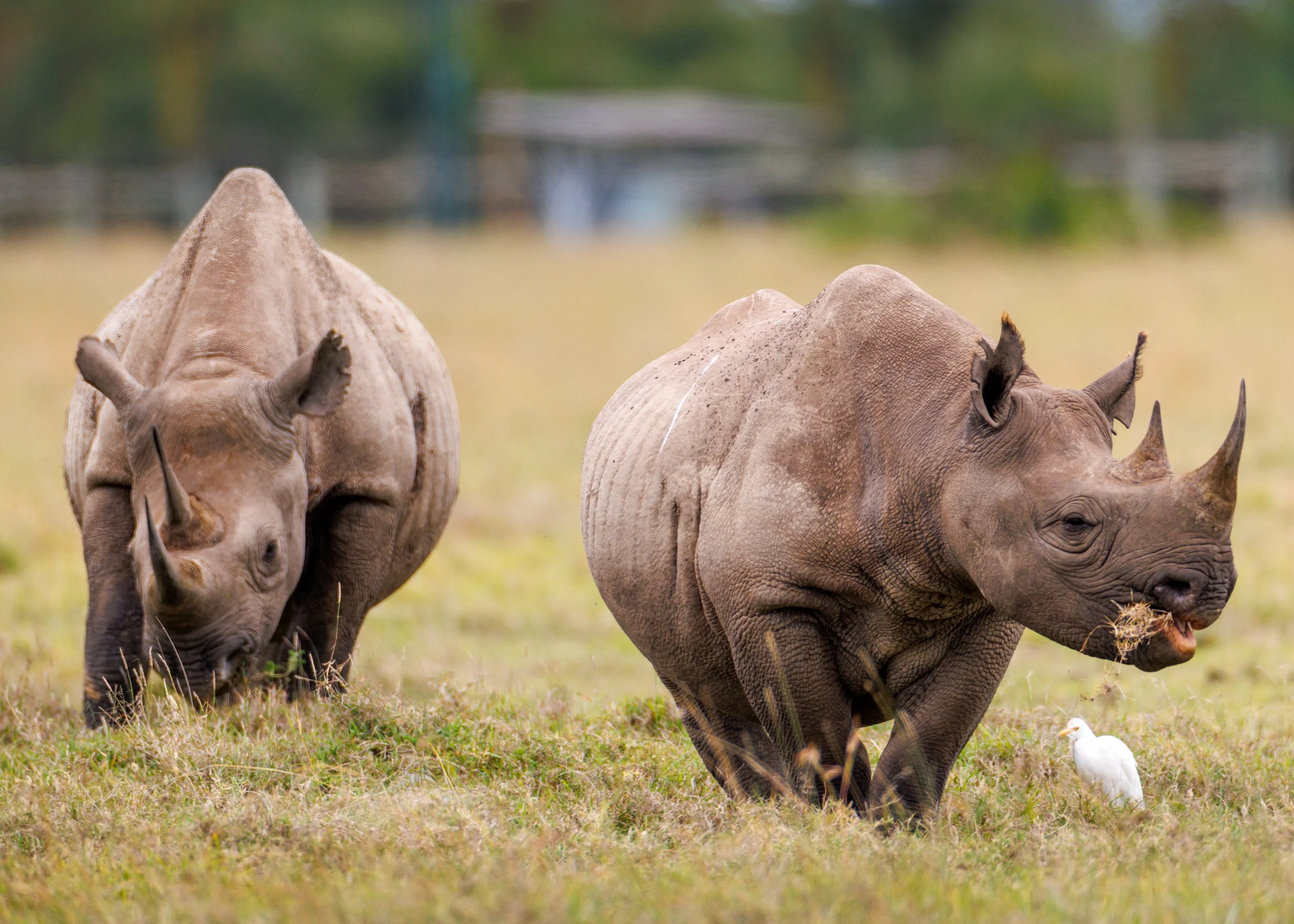
This past year, I went to Ol Pejeta Conservancy in the Kenyan highlands. Watching two rhinos graze, they could have been boulders holding up the sky. Najin, the mother. Fatu, her daughter.
They are the last two northern white rhinos on Earth.
I wept.
The white rhino has roamed in Africa for 5-7 million years. In the 1970s, 500 remained. Poachers came for their horns. By 2008, the subspecies was extinct in the wild. When Sudan, the last male, died in 2018, an evolutionary thread stretching back before humanity was severed forever.
Now, Najin and Fatu carry the weight of their species. Neither can bear young.
At Ol Pejeta Conservancy, they live under a 24-hour armed guard. But protection alone cannot save them. Scientists are attempting something unprecedented: harvesting Fatu's eggs, fertilizing them with sperm frozen from deceased males, and implanting embryos in southern white rhino surrogates. They've created 38 embryos. In 2023, they achieved the world's first IVF rhino pregnancy - proof that the science works.
If a calf is born, Najin and Fatu will have one final purpose: to teach it how to be a northern white rhino.
Najin is 36. Fatu is 25. The window is closing.
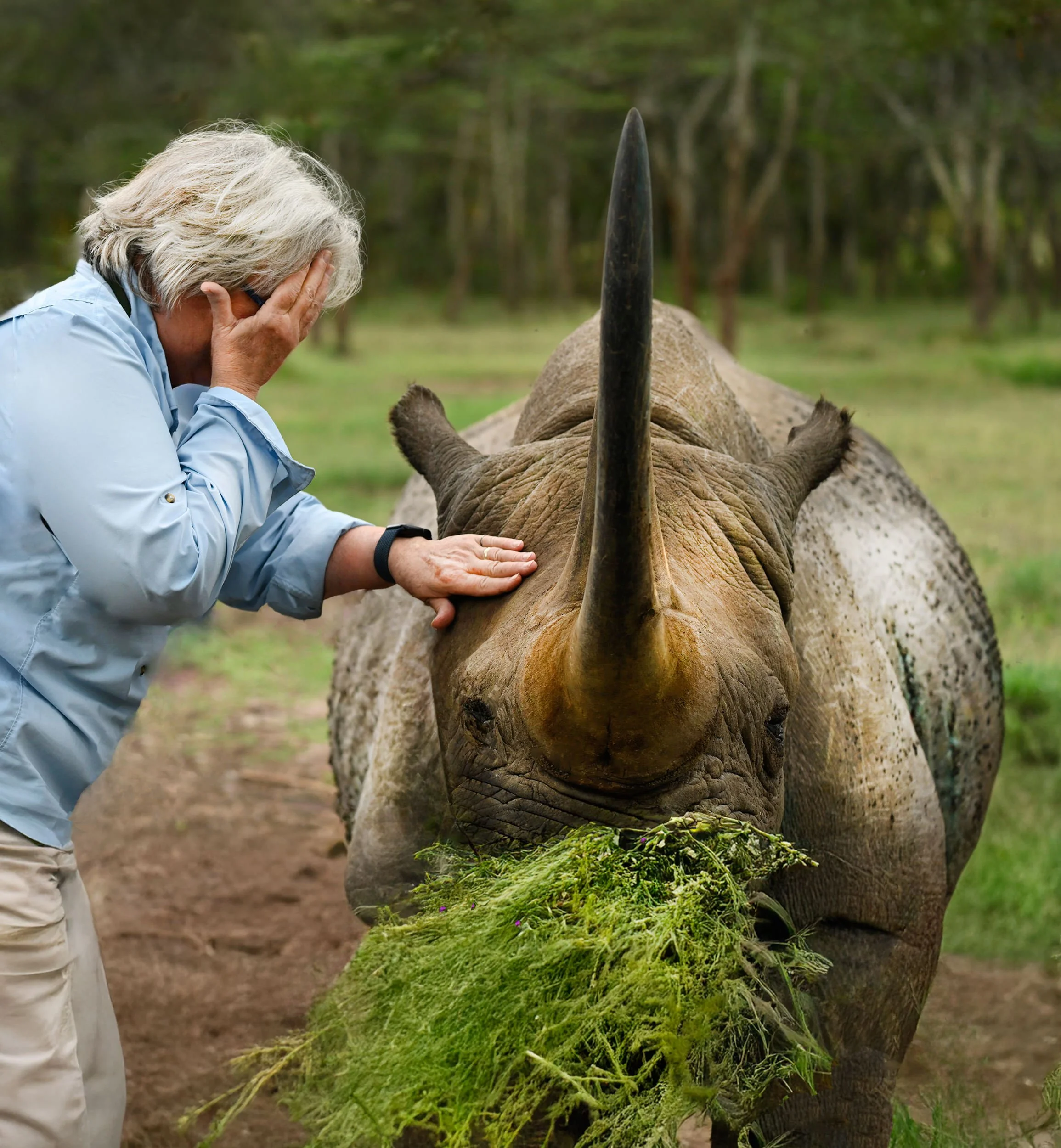
I also met Baraka, a blind black rhino who lost one eye in a fight, the other to cataracts. He lives in a protected enclosure, navigating by smell and sound. When I placed my hand on his rough, warm skin, I was overwhelmed by grief for what we have done to these ancient creatures - and what we continue to do.
You can help. Donate to Ol Pejeta Conservancy, which funds rangers, veterinary care, and the research program. Support the International Rhino Foundation or Save the Rhino International. Spread their story. Demand the enforcement of wildlife trafficking laws.
And if you ever stand before these creatures - look into the eye of a species we have nearly erased -
let it break your heart.
Then let that heartbreak fuel your action.
With gratitude,
Elizabeth Gabriel Brooke